Drinking Water Brings Relief to Jamunibas: A Story of Transformation
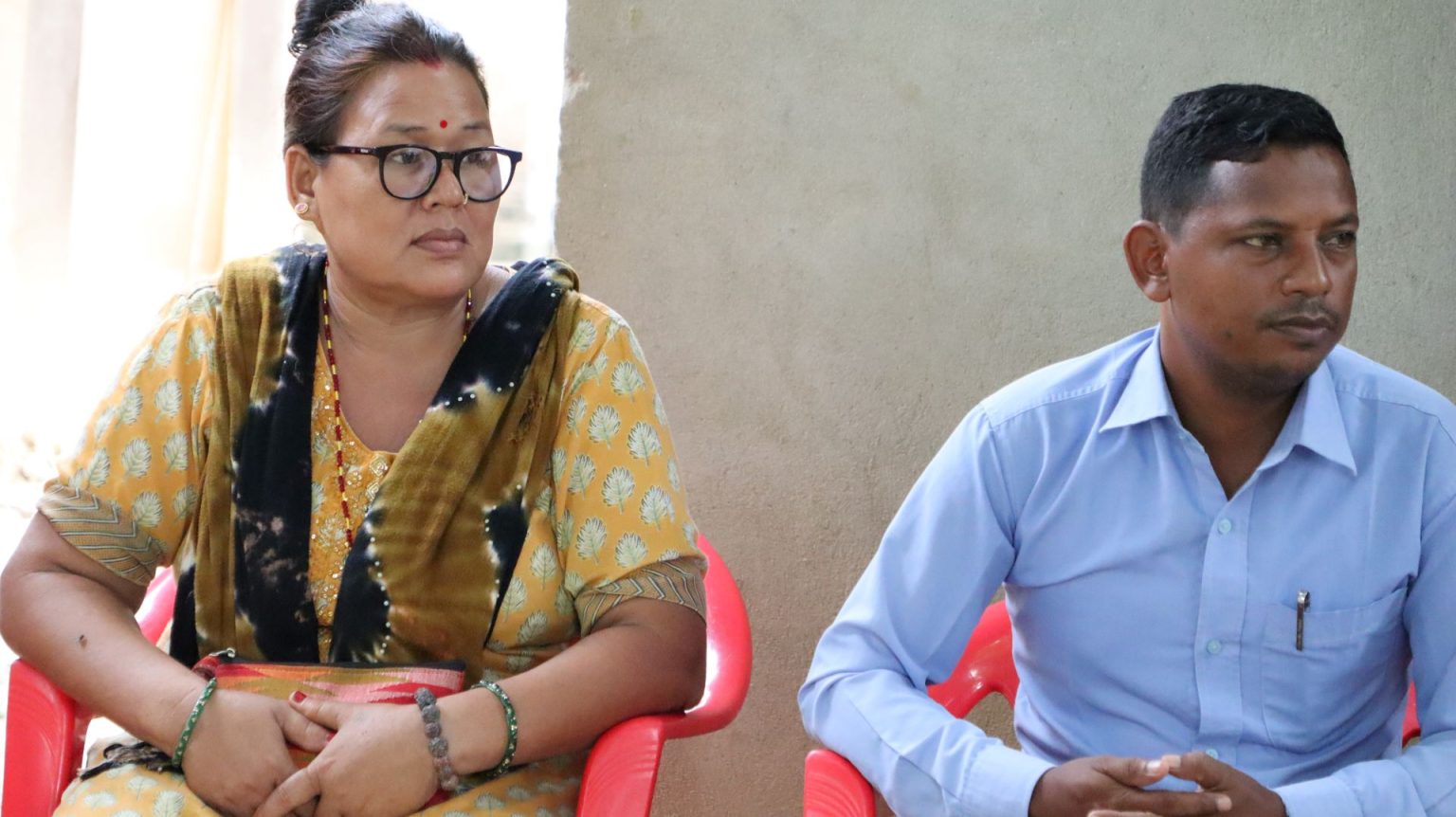
Jamunibas 3, Ward No. 8, Mithila Municipality, Dhanusha District — “Before, we stood in line for water for hours, only to return home empty‑handed,” recalls a local mother, echoing a struggle shared by all 230 households in Jamunibas. Today, that struggle is over—taps in every courtyard have changed the daily rhythm of their lives.
The Water Crisis
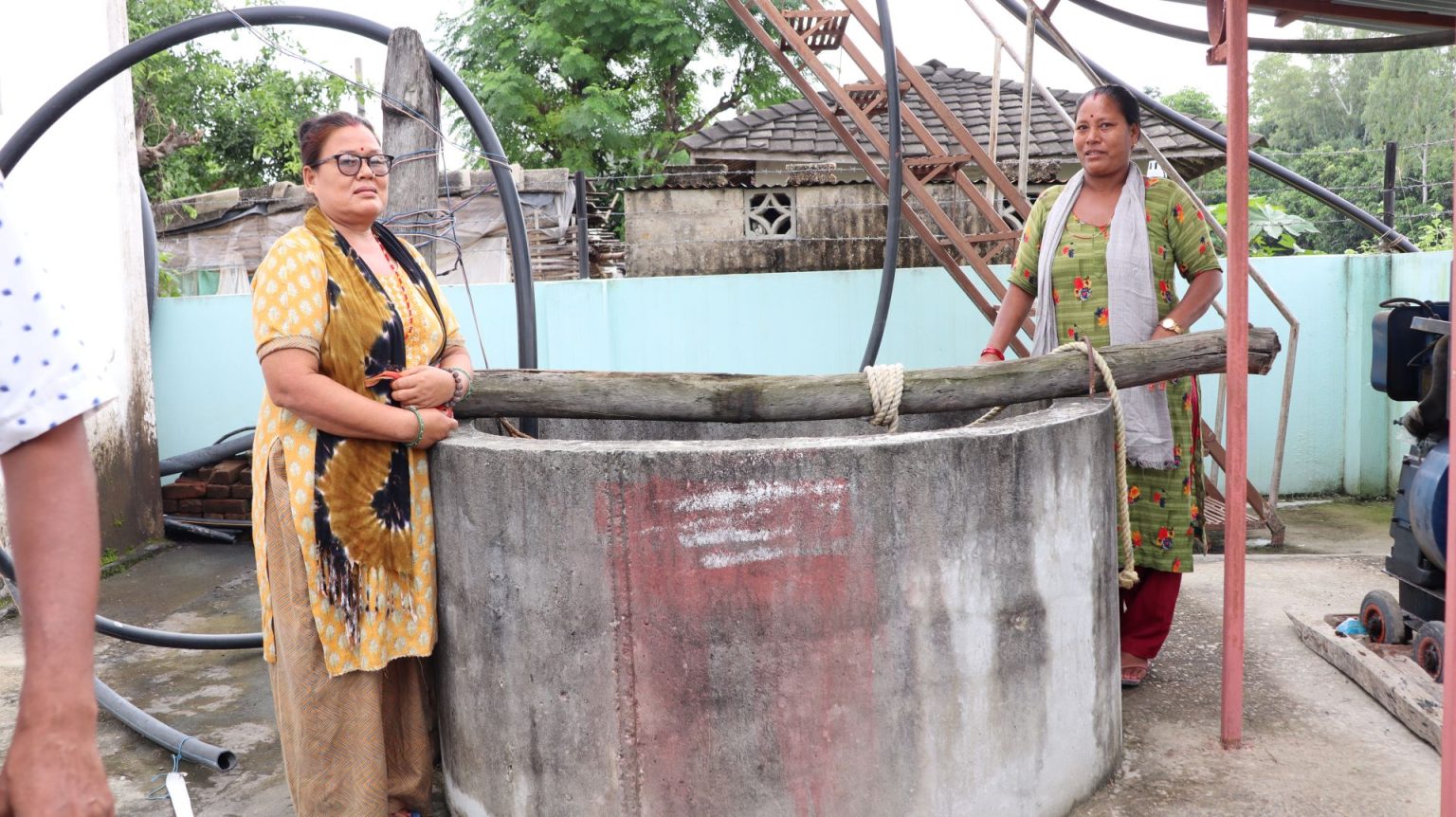
Historically, residents relied on a dried-up dug well and seasonal hand pumps. When that well failed, the Water User & Sanitation Committee had to rent water from a private source for Rs 65/hour, plus over Rs 9,000/month in electricity costs—leaving them in deficit. Waterborne diseases such as diarrhea and skin infections were common, and women and children often missed school and work fetching water.
A Sustainable Intervention
In 2024, a partnership between Chay‑Ya Nepal (technical lead), UNICEF Nepal (funding partner), Mithila Municipality, and the Province Ministry of Energy, Irrigation & Water Supply introduced several interventions:
• Installation of a deep boring system and reservoir
• Extension of pipeline network to reach every household
• Individual household taps
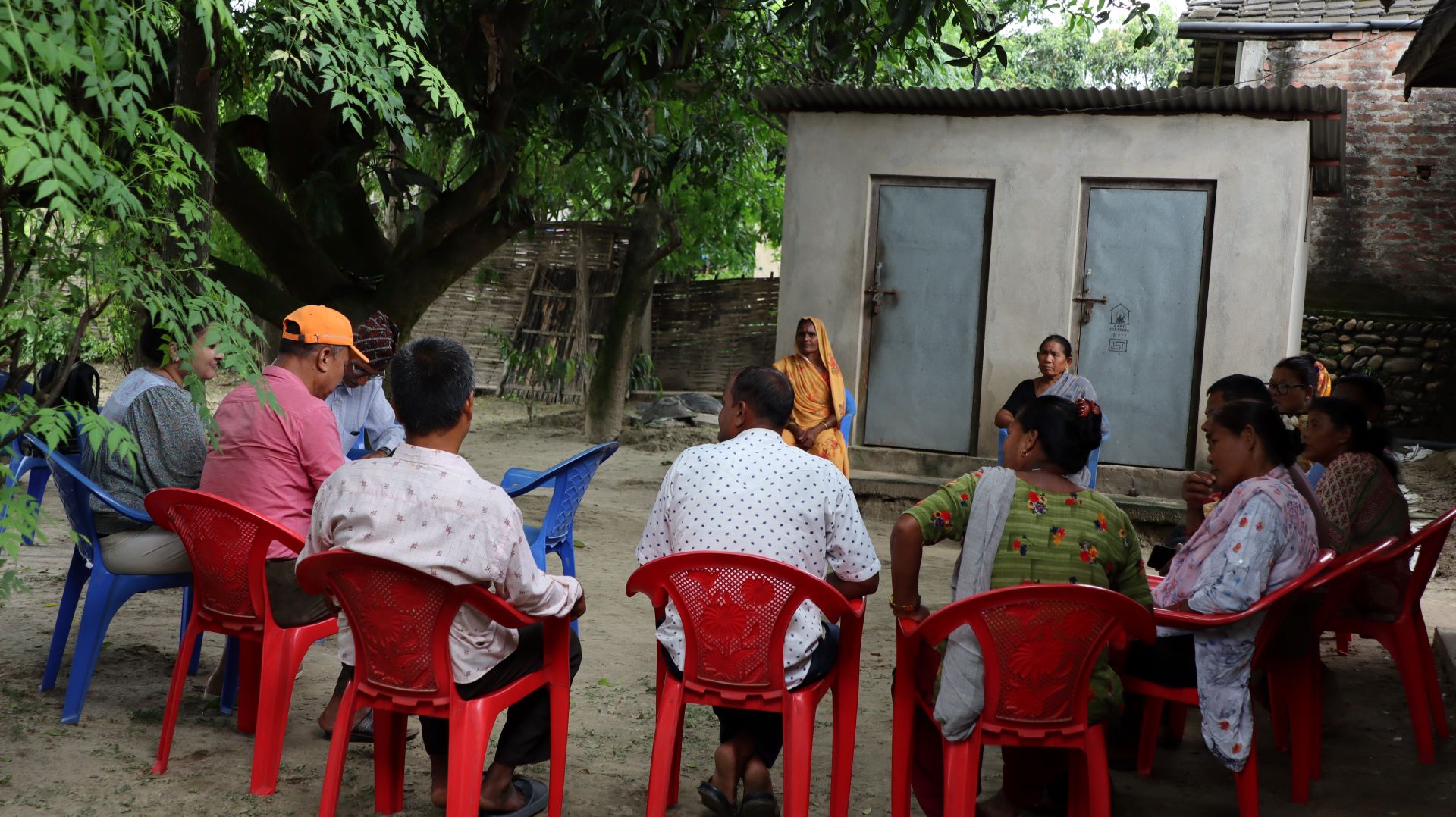
• Formation and training of a local Water User Committee
• Simple, transparent water tariffs: Rs 90 for 8 units; Rs 20 per additional unit
These steps helped the community save around Rs 20,000 per month, establishing a financially self-sustaining water supply system.
On the Path to “Safe Water Zone” Certification
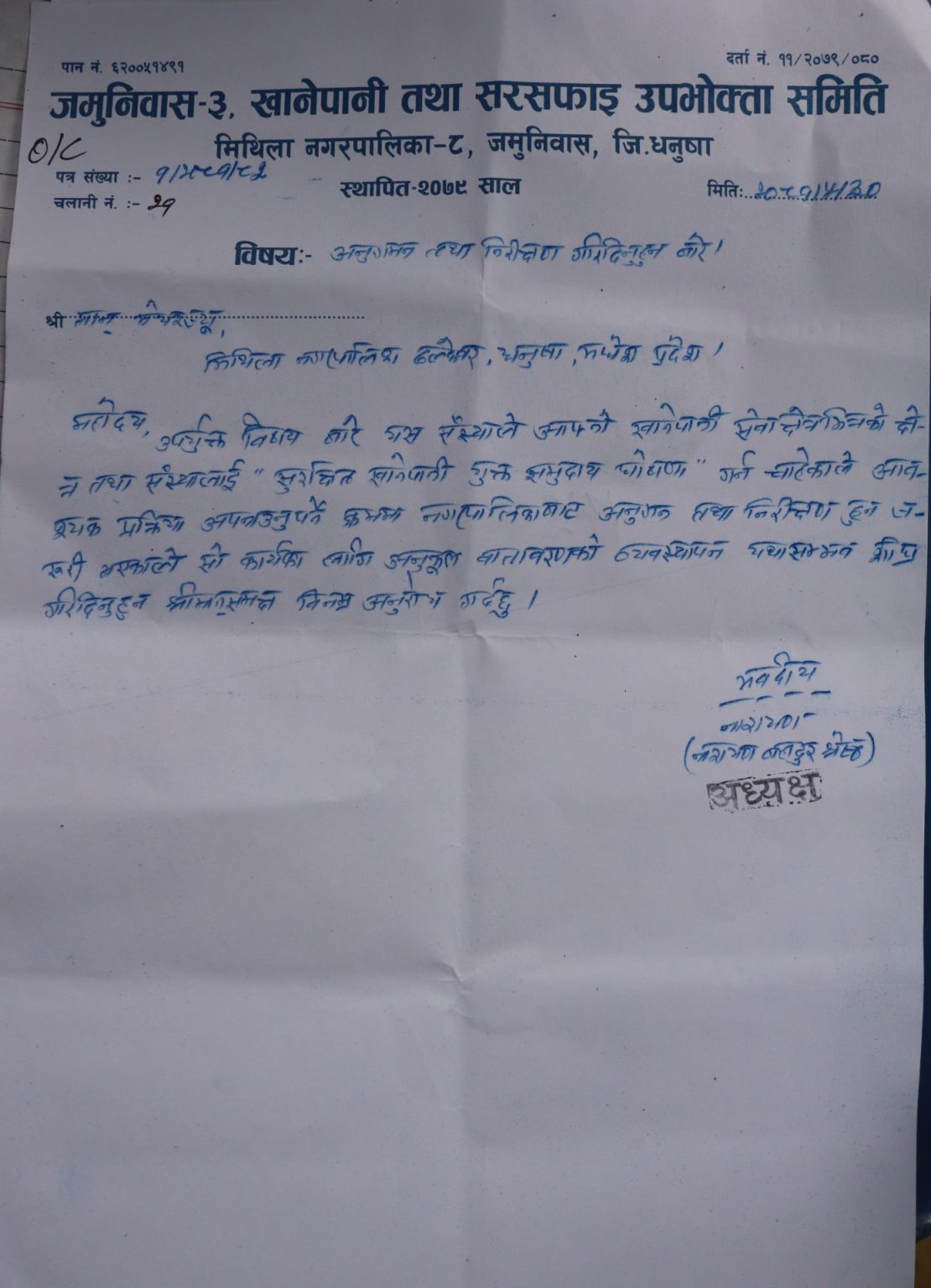
The Water User Committee sent a formal request for inspection and certification to Mithila Municipality. Chay‑Ya Nepal representatives joined an inspection visit to homes, verifying tap installations, storage conditions, and sanitation. A door-to-door hygiene campaign is scheduled for Aswin 6 to reinforce best practices.
Once the municipality completes the final inspection—expected soon—the area will officially become a “Safe Water Zone”.
Real-Life Impact
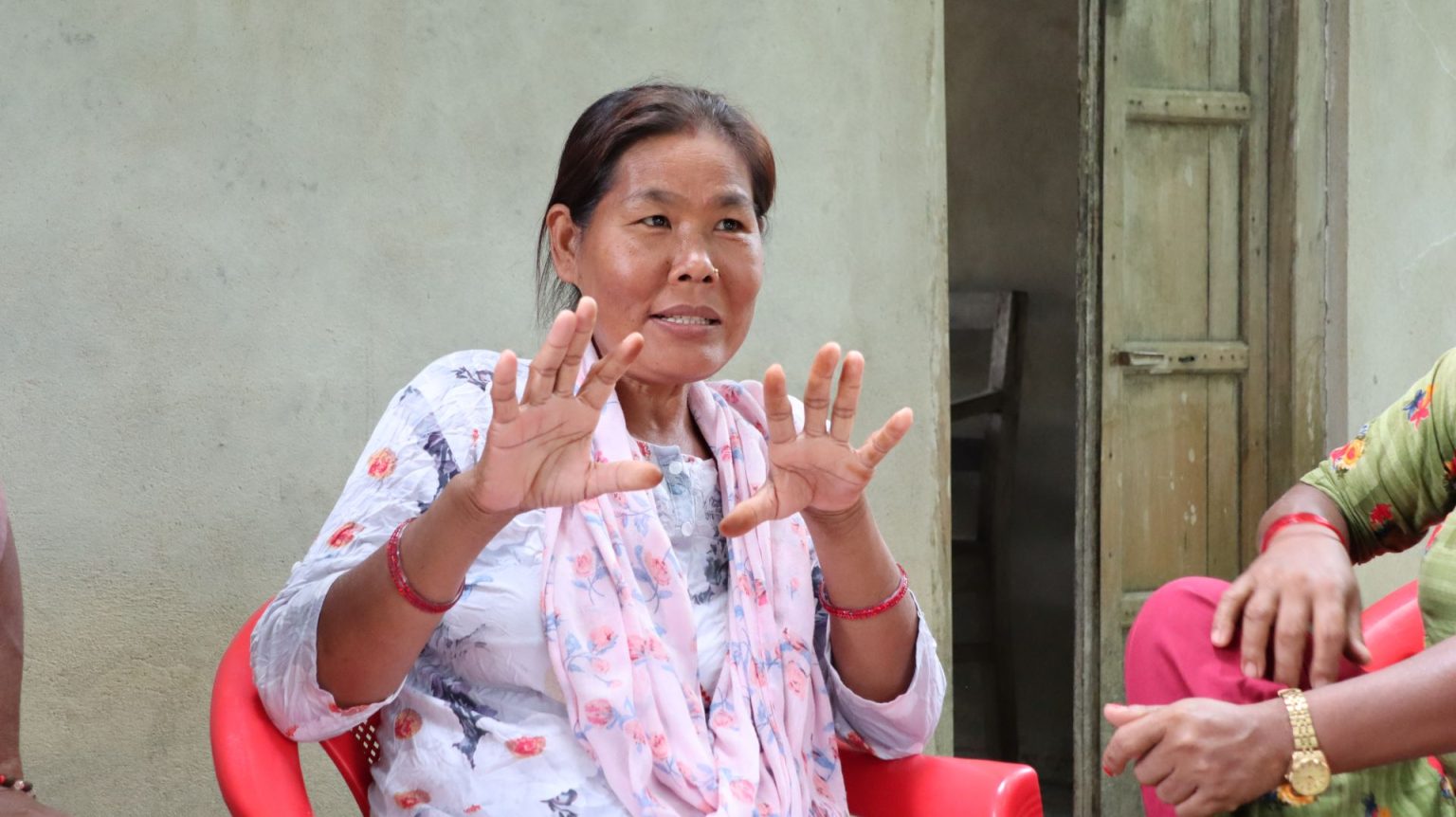
“Now children go to school on time, and we’re not tired from fetching water,” says one local mother. Another resident notes, “Our bills are lower, we feel healthier, and life has improved.” With reliable water at home, women have time to pursue livelihoods and children attend school consistently, all while the rate of waterborne illness has dropped significantly.
A Model for Community-Led Change
This project exemplifies how clean water access, combined with local leadership, community ownership, and institutional support, can transform rural life. Residents oversee and maintain the system; local government provides accountability; and Chay‑Ya Nepal supports with expertise.
With this success, Chay‑Ya Nepal aims to replicate the model in other underserved rural communities, delivering dignity, health, and resilience across Nepal.
Photo Gallery