Clean Water and Better Facilities Bring Hope to Madhesh Health Centers
Madhesh Province, Nepal — For many years, basic health centers in Madhesh faced big challenges due to poor water, sanitation, and hygiene (WASH) conditions. The buildings were old, toilets were broken or missing, and there was no safe way to dispose of medical waste. These problems made it hard for patients and health workers to maintain cleanliness and safety.
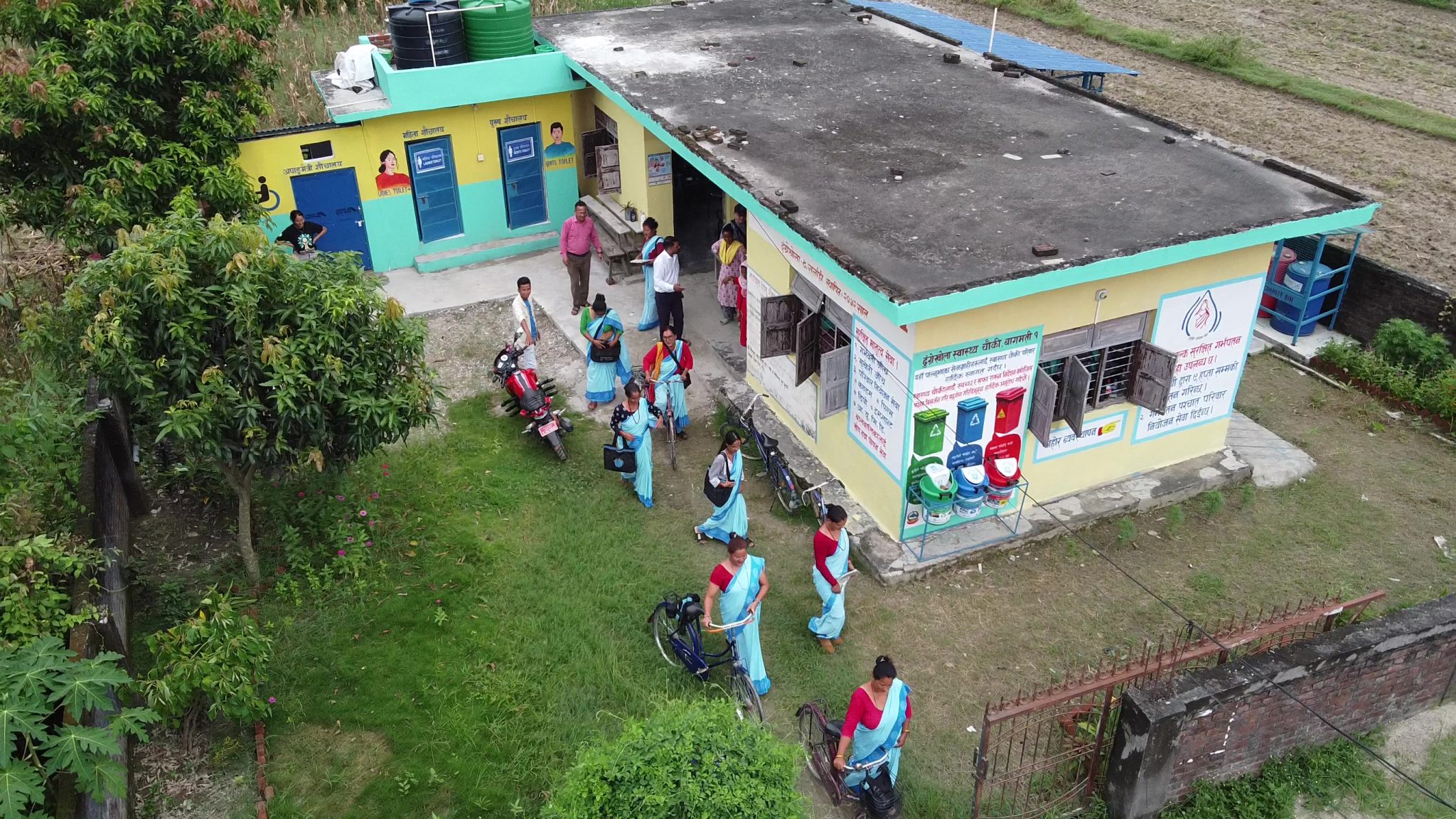
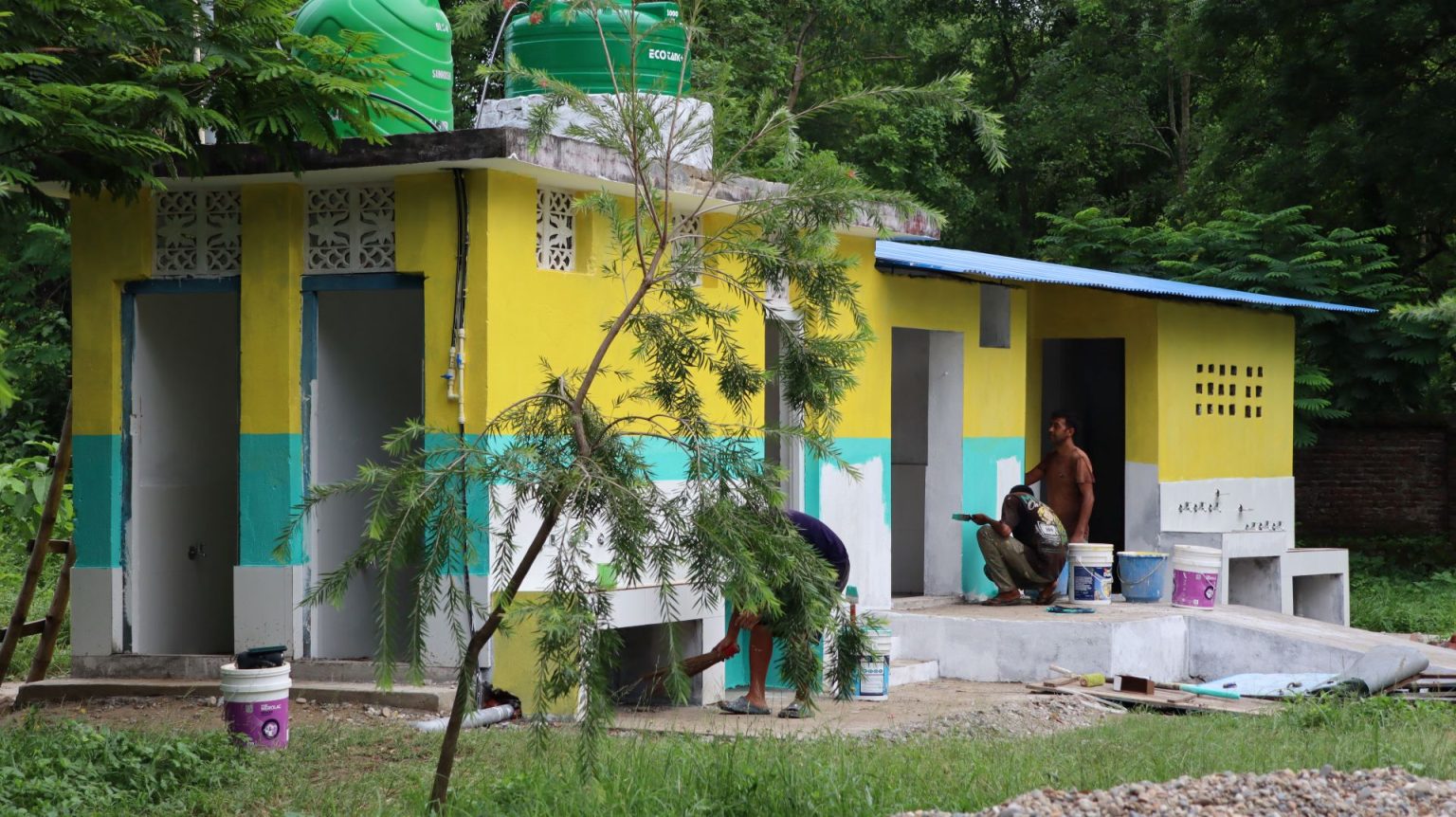
But recently, six health institutions in Madhesh have been transformed with important improvements in their WASH facilities. This was made possible through a project led by Chay-Ya Nepal with support from UNICEF and local governments.
Before the Improvements
The health posts and clinics lacked separate toilets for men, women, and people with disabilities. Many toilets were dirty or unusable. There were no handwashing stations near patient areas, and the drainage systems were blocked or missing. Medical waste like used needles and placenta was often thrown away without proper treatment, putting staff, patients, and the environment at risk.
These poor conditions discouraged many people from visiting health facilities, especially pregnant women who needed safe delivery care.
What Changed?
Through the project, the six health facilities received:
• New and separate toilets for men, women, and differently-abled people
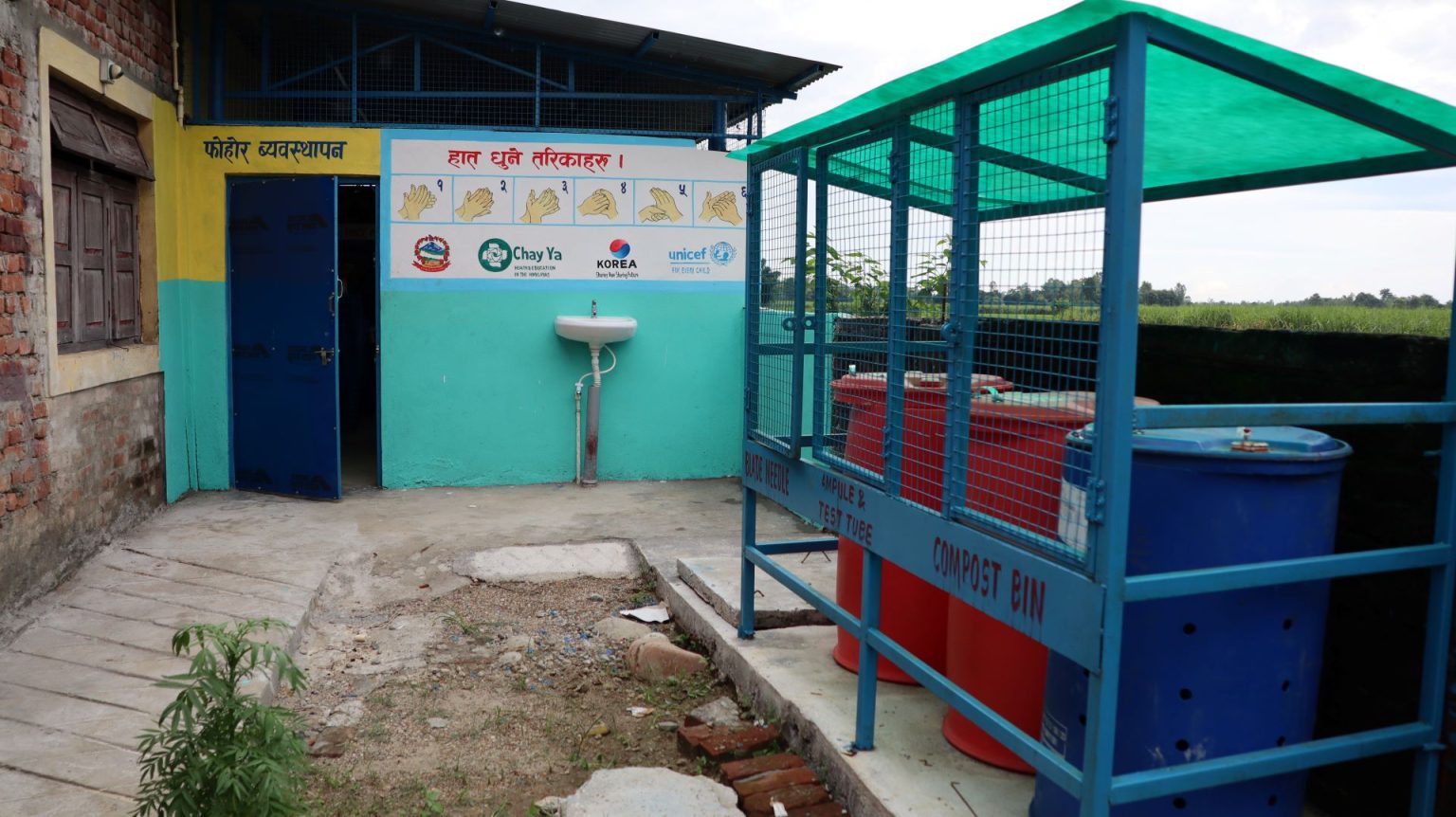
• Handwashing stations with soap at important points inside the facility
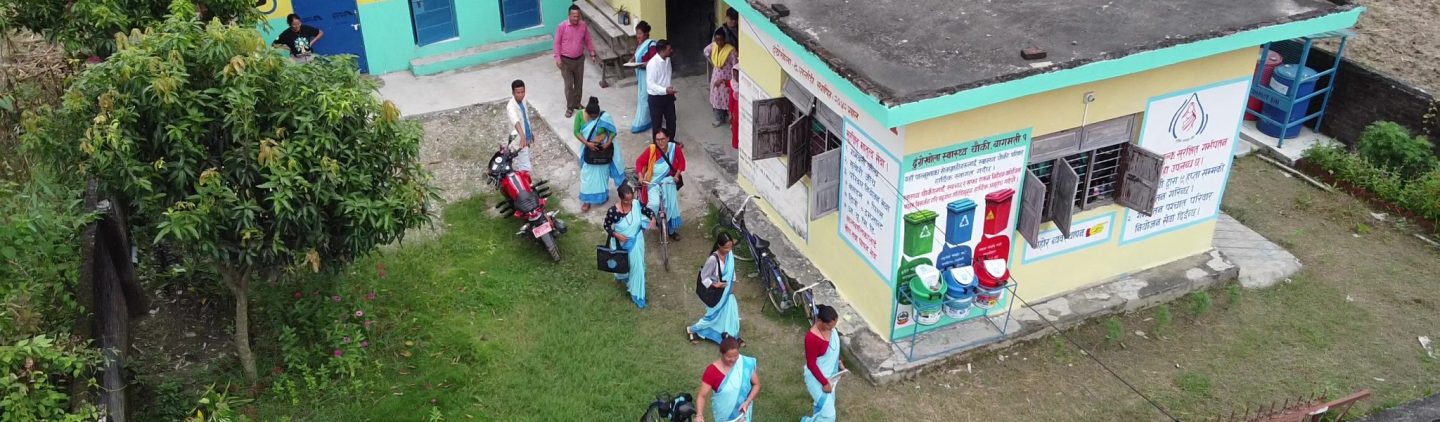
• Medical waste management systems, including placenta pits and safe containers for needles
• Improved drainage and water supply connections to ensure clean running water
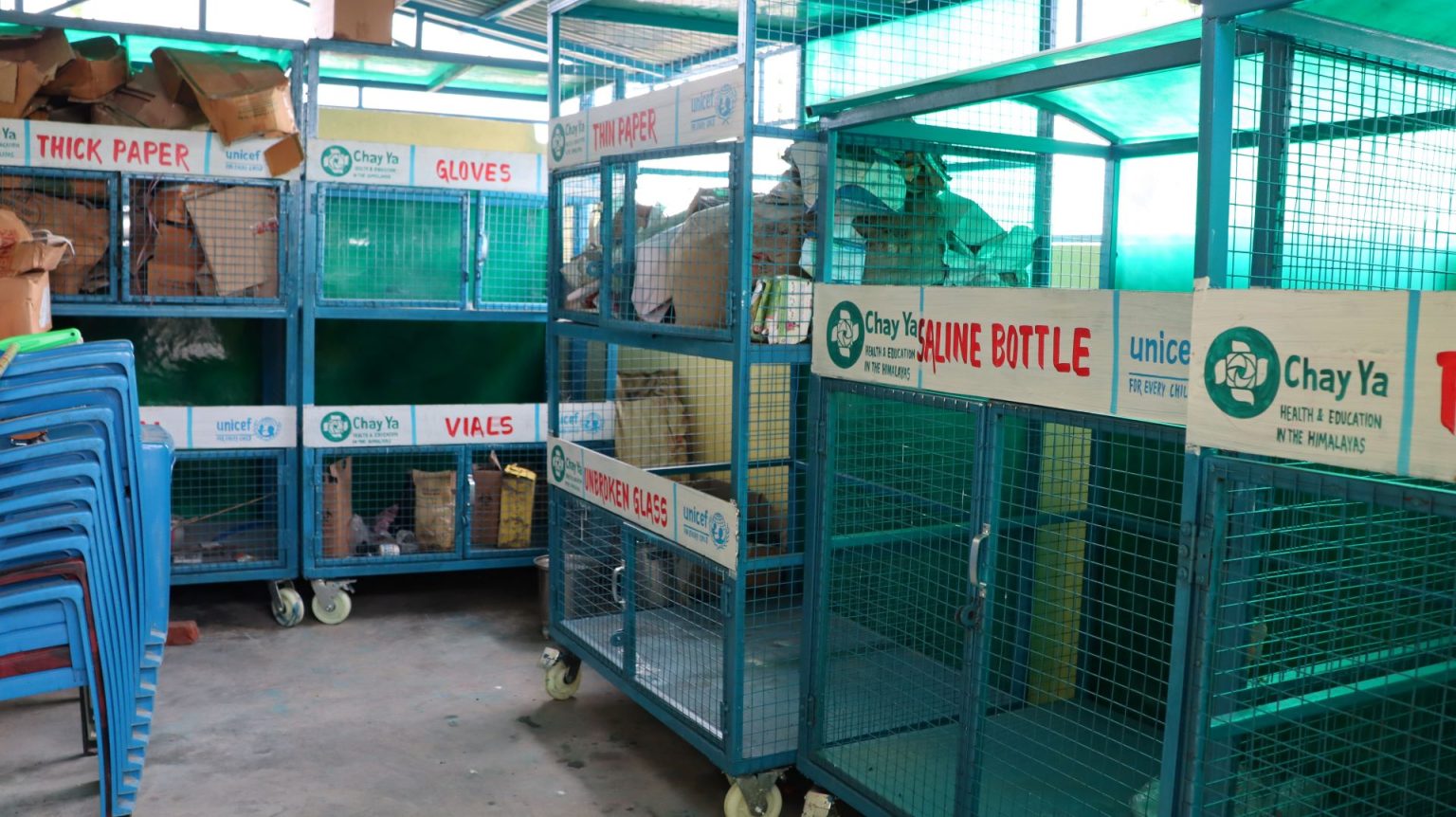
• Waste segregation guidelines and proper bins for different types of waste
To make sure these improvements last, each facility formed a WASH-FIT Committee made up of health workers and community representatives. These committees meet monthly to check hygiene, plan improvements, and keep the facilities clean.
The Impact
Over 2,500 people—including patients, health staff, and visitors—now benefit from these changes each year. The health posts are cleaner, safer, and more comfortable. Patients feel respected and cared for, which has increased the number of people seeking medical help.
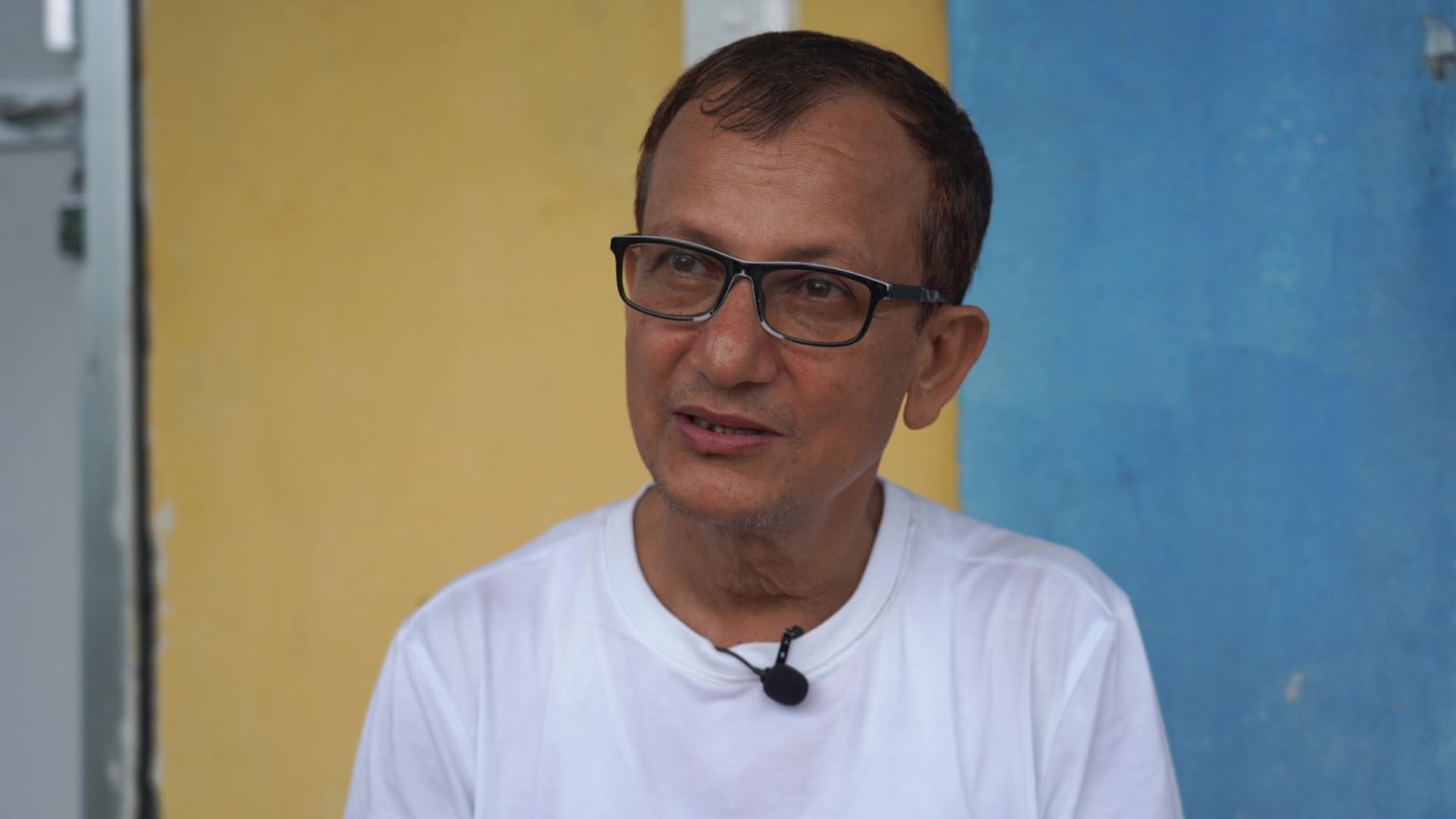
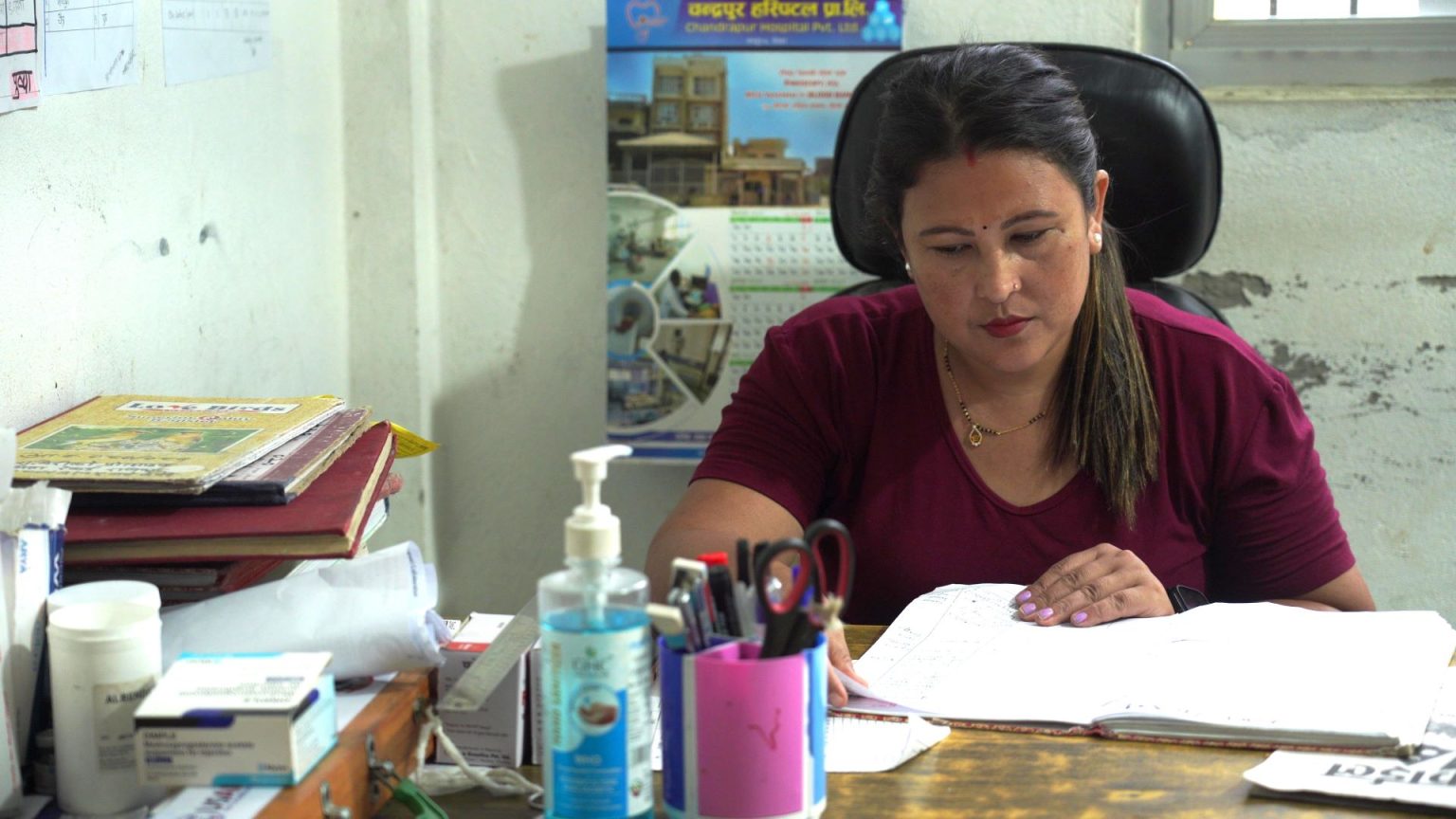
Padam Rayamajhi, the in-charge of one facility, said, “Before these improvements, patients were worried about the dirty environment and lack of privacy. Now, they feel safe, and our staff can work better.”
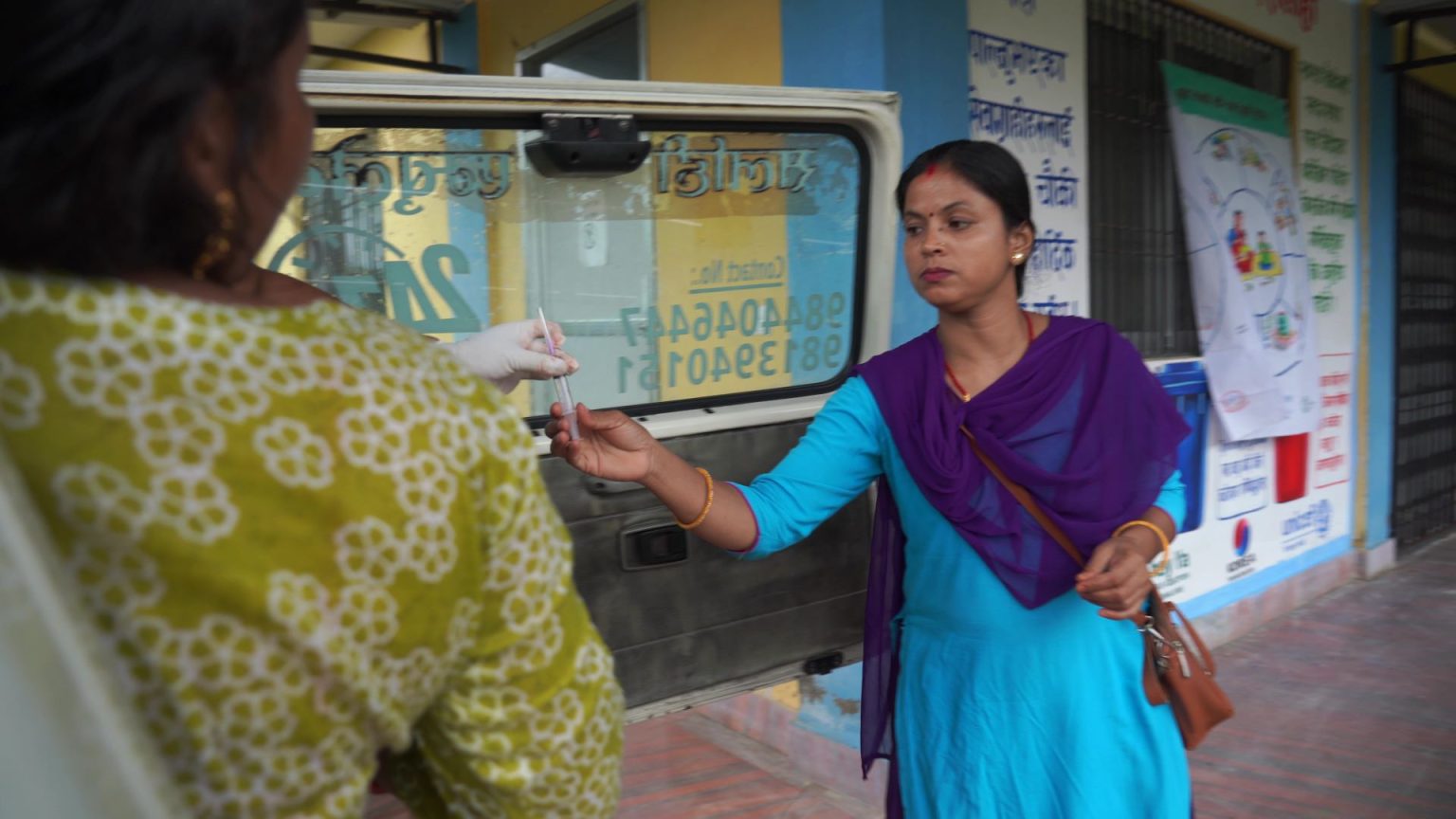
Health workers have also received training on infection prevention and medical waste handling, helping them keep the facility safer for everyone.
Reaching the Community and Schools
The project’s positive effects have gone beyond the health centers. Thirteen nearby schools were also supported with better water and sanitation facilities to promote hygiene among children.
In Mithila Municipality, a group of 230 households was officially declared a safe water community, ensuring clean water access for all families.
Building for the Future
This project shows how improving basic water, sanitation, and hygiene infrastructure can improve health outcomes and community trust in services. By involving local people in managing the facilities and setting clear guidelines for waste disposal, the improvements will continue over time.
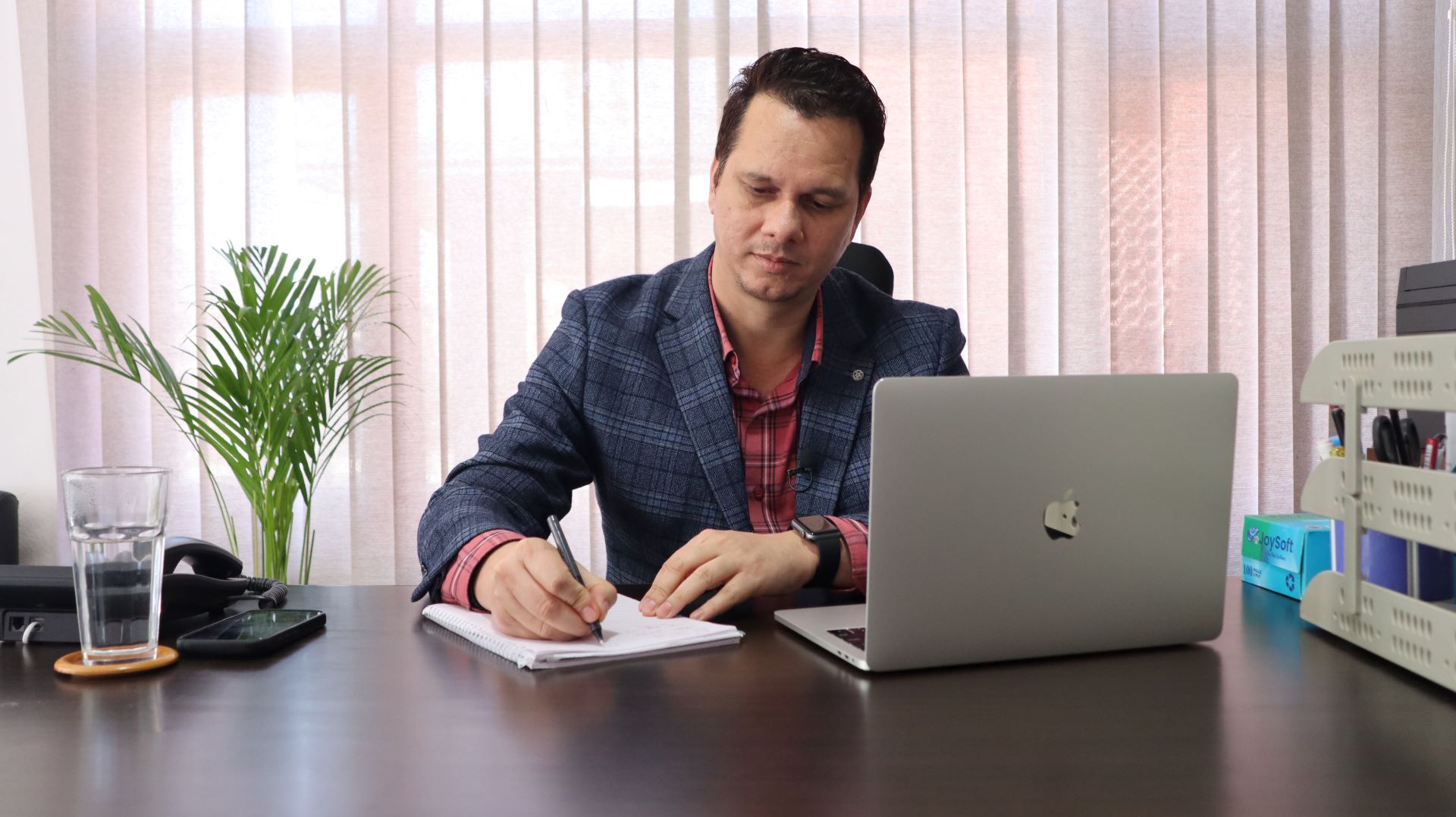
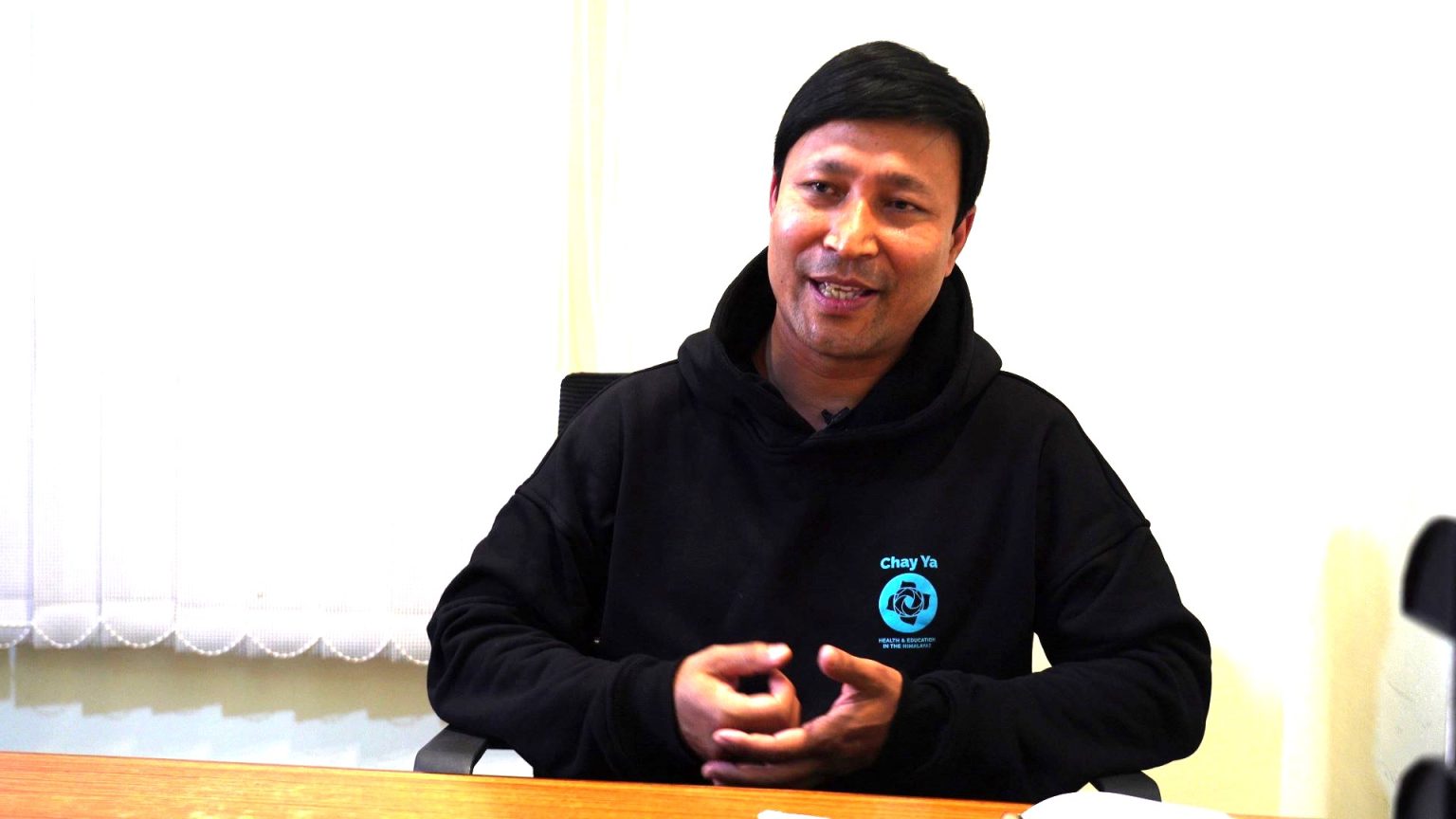
Surendra Bahadur Shahi, Project Manager at Chay-Ya Nepal, explained, “Our goal is not just to build infrastructure but to empower communities and health workers to maintain these facilities. Good hygiene practices save lives.”
With the support of UNICEF and local governments, these health institutions in Madhesh are becoming models for safe, clean, and dignified healthcare in rural Nepal.
Photo Gallery