Challenges and Solutions for Residential Facilities for Students with Disabilities in Dang
Students with disabilities face difficulties in their studies due to the lack of residential education facilities and disability-friendly environments in schools. Although some schools provide education with residential arrangements based on types of disabilities, unsuitable accommodation causes frequent problems. Children who want to study but have family issues often miss out on education due to the absence of residential schools.
In Dang, students with intellectual, hearing, visual, and physical disabilities attend school. Some schools have made arrangements for teachers and accommodation, sometimes supported by foreign organizations, but many still face challenges.
According to Deva Dangi, Vice President of the National Federation of Disabled Persons, Lumbini Province, education for students with physical and intellectual disabilities is especially complicated due to the lack of proper residential facilities. Many students are forced to stay home, missing out on education and other services.
For visually impaired students, Gurujajur Model Secondary School in Tulsipur provides residential education, and Rapti Deaf Association runs a hostel for hearing-impaired students. However, no residential or hostel facilities exist yet for students with physical and intellectual disabilities.
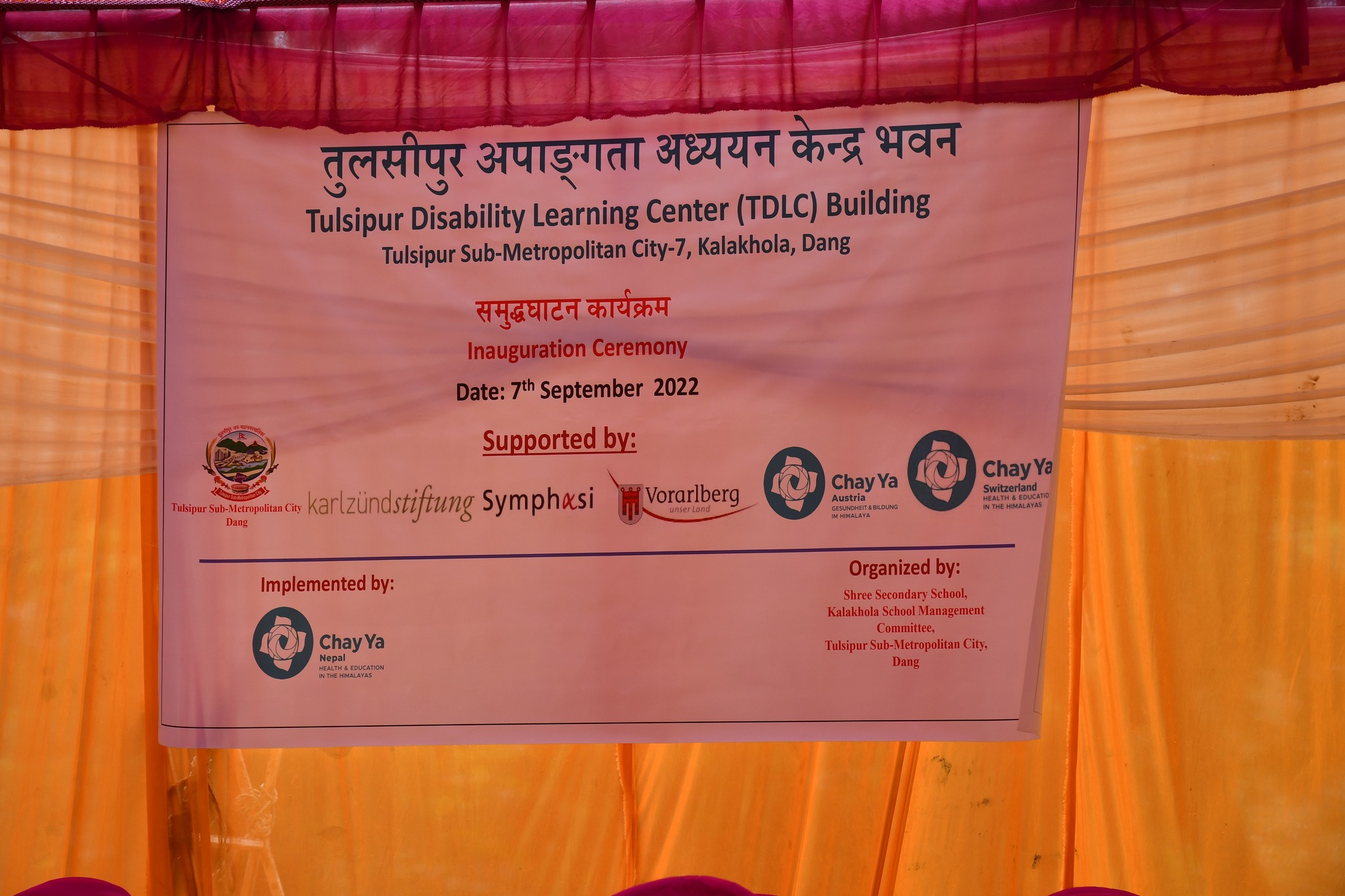
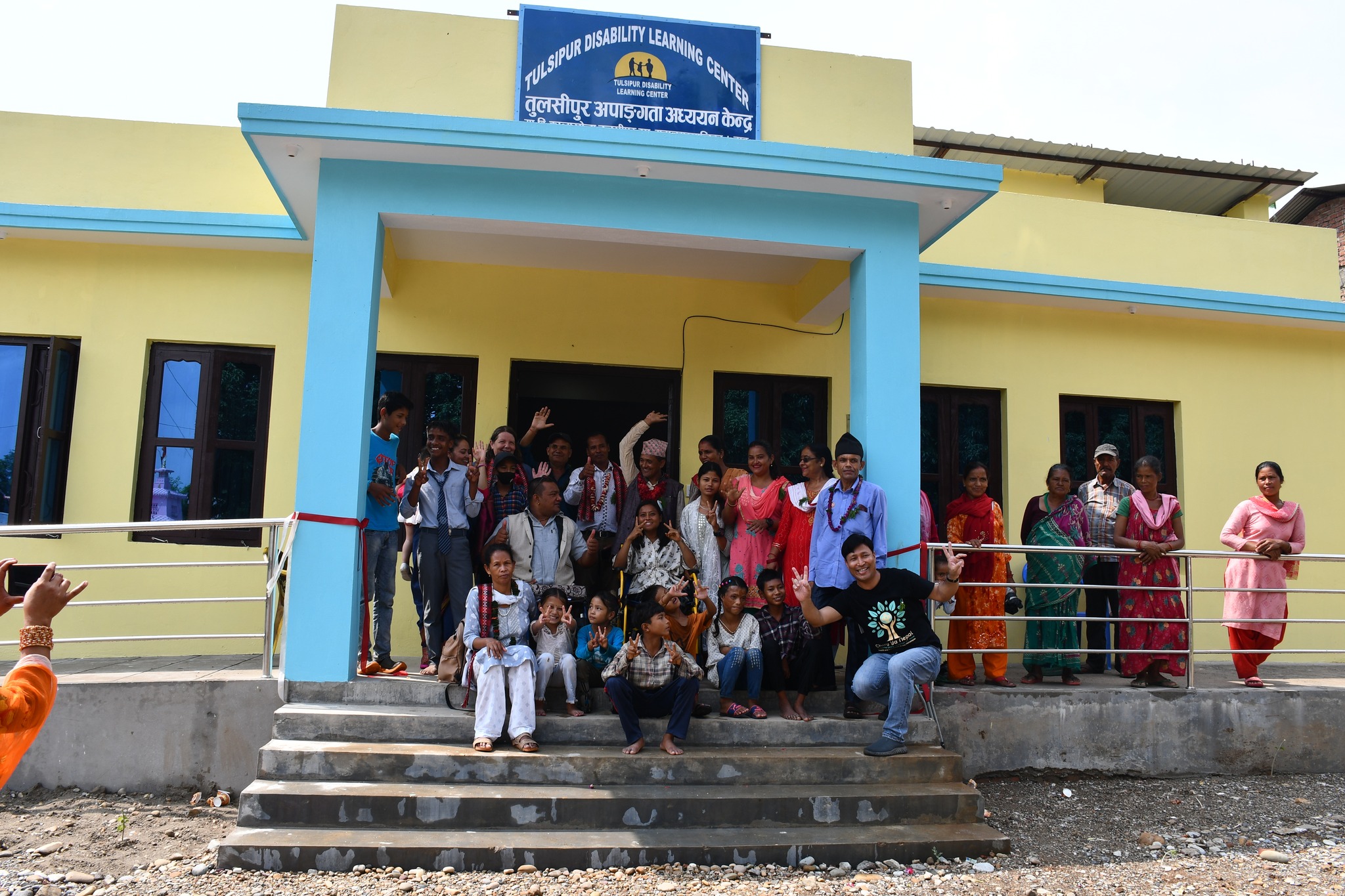
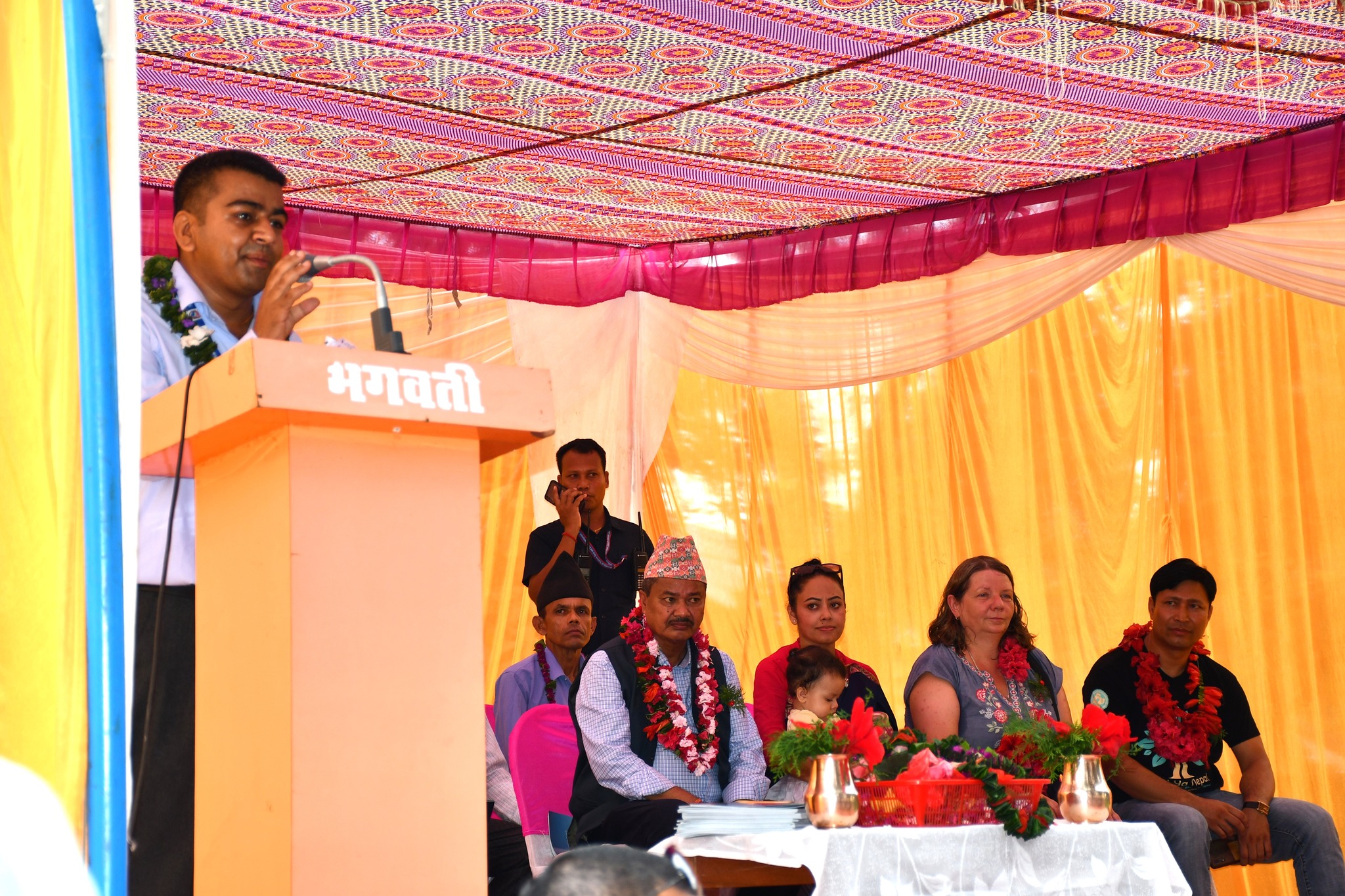
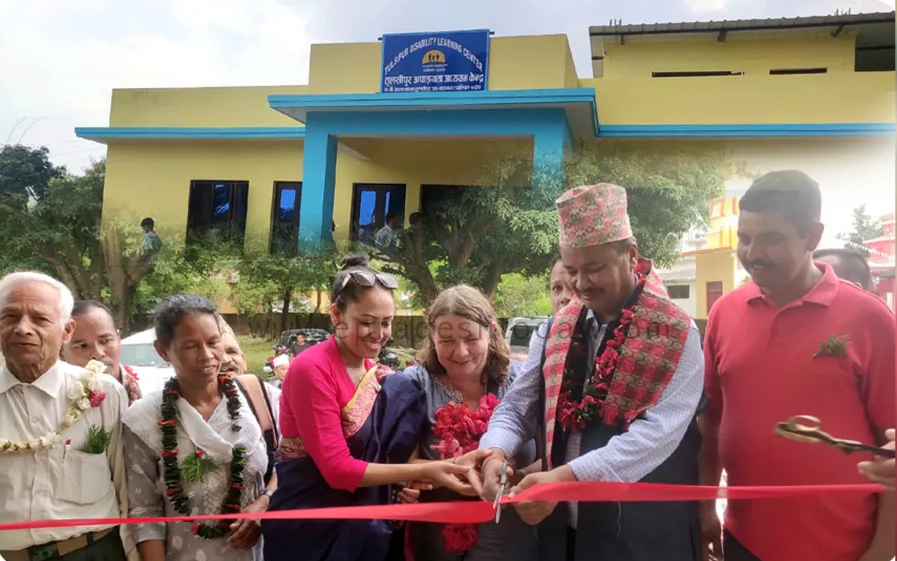
Minister Dilli Bahadur Chaudhary pledged to provide proper residential buildings for physically disabled students. He inaugurated the Disability Study Center at Kalakhola Secondary School in Tulsipur, built at NPR 6.7 million with funding from Chay-Ya Nepal (80%) and Tulsipur Sub-Metropolitan City (20%). The center will provide accommodation and ongoing support for students with physical disabilities.
Tulsipur’s Mayor and Deputy Mayor highlighted the importance of respect and support for persons with disabilities. Local authorities and organizations have a responsibility to ensure their protection, access, and inclusion.
Previous hostels, such as one in Urhari that housed intellectually disabled students, were closed due to lack of funds. Many students are now without accommodation or rely on relatives.
Activists criticize the government for insufficient attention. Despite repeated protests and requests for residential buildings and scholarships, local governments have been unresponsive. The government offers NPR 4,000 monthly residential scholarships, but many students have not received these funds.
Students with physical disabilities suffer most due to inaccessible buildings and lack of wheelchairs or suitable facilities. Though visually and hearing-impaired students have some support (Braille, sign language), physically disabled students often cannot even access school buildings.
Guidelines for building disability-friendly residential facilities are lacking at the local government level, causing further problems. A provincial-level residential building planned in Ghorahi cannot accommodate all students with disabilities, leading to refusals.
Without necessary infrastructure, students with disabilities face many obstacles in accessing education.
Photo Gallery