How to Promote Hygiene and Sanitation Behavior Change?
Kathmandu:
The saying “It’s very hard to change habits formed since childhood” clearly illustrates how difficult it can be to change already-developed behaviors. It is even harder to change others’ bad habits than to change your own. Just think — wasn’t it more difficult convincing someone else to build a toilet than building one in your own house?
That said, behavior change is not impossible. But it requires effective communication and a focus on proven behavior change strategies. According to Mr. Mangal Duwal, a training facilitator at Chay-Ya Nepal, “Behavior change means replacing harmful or risky behavior with new, positive habits — either for yourself or encouraging others to do so. It’s not an easy process, but it’s not impossible either.”
People Don’t Change Just by Listening
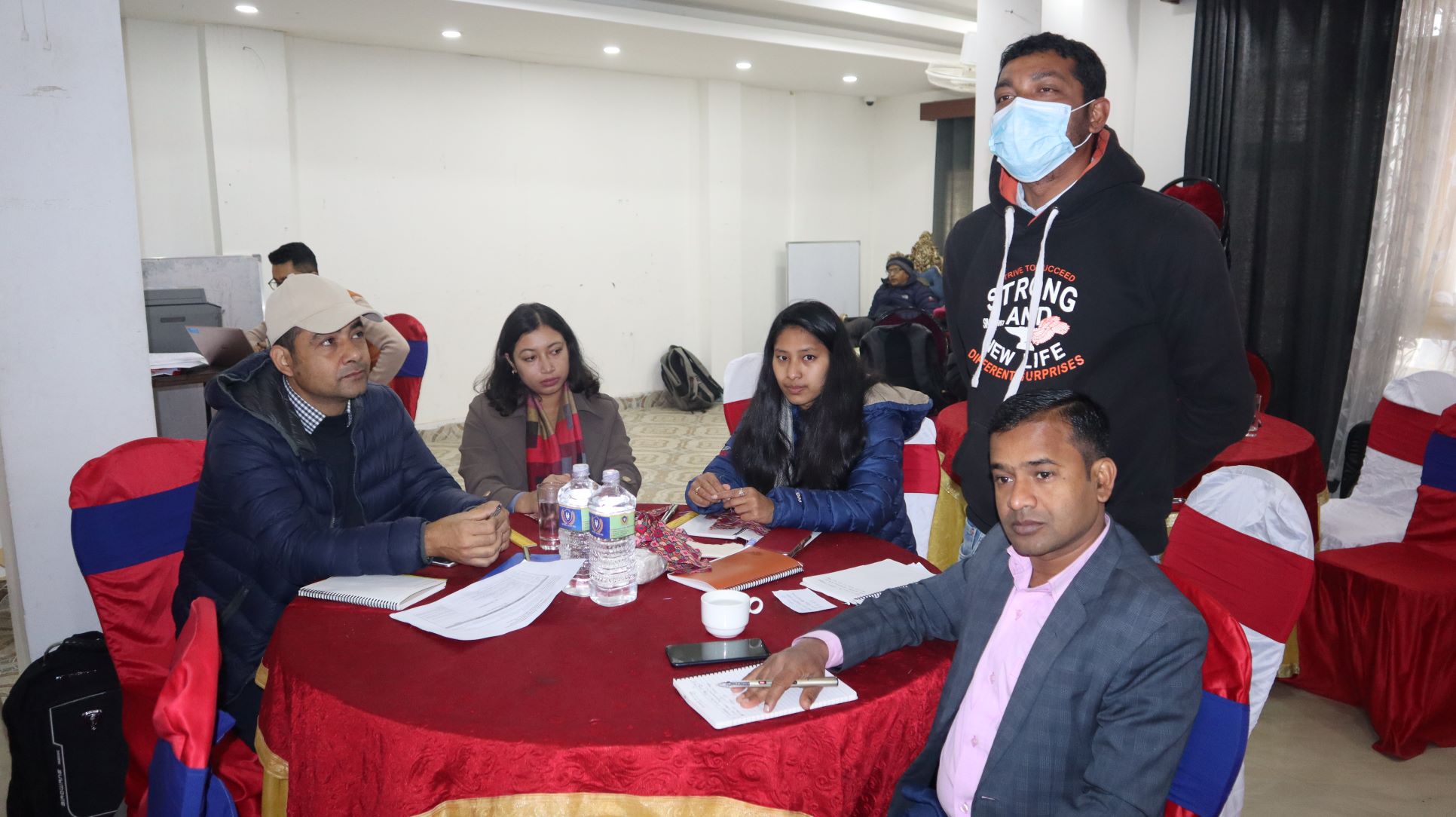
Trainer Duwal explains that although people are often eager to listen to new ideas, they don’t change their behavior immediately after hearing them. Speaking at a workshop on “Planning and Review of School-based Water, Sanitation, and Hygiene (WASH) Programs” held in Chandranigahapur, Rautahat, he said:
“People do listen to new things. They also want to know: What is this? What does it do? How does it work? Where can we get it? But even after understanding this information, they will only start believing it when they receive support from trusted friends, neighbors, and community members.”
According to him, people tend to adopt ideas only when they are convinced. “Even after deciding to try something, people usually apply it only partially at first. If they find that it’s beneficial, then they continue with it. So, behavior change is not a one-time event. It is a gradual and continuous process that happens in phases.”
Three Key Strategies for Behavior Change
Trainer Duwal recommends three important strategies to promote behavior change:
1. Behavior Change Communication (BCC)
According to Mr. Duwal, if you want to bring change to people’s habits, you must implement effective behavior change communication. This means delivering messages in a way that directly influences people’s behavior and thoughts.
The communication must be clear, memorable, and targeted so that it resonates in their minds and makes a lasting impact.
He shared some common slogans used in sanitation campaigns as examples:
• “Open defecation — a visa to Yamaraj (the god of death)”
• “A house, a TV, a car — life is useless without a toilet”
• “Invest in your daughter — secure a golden future”
• “Marriage? Wait until you’re twenty”
These slogans are examples of short, catchy messages that spark curiosity and encourage behavior change.
2. Social Mobilization
The second strategy is social mobilization, which means using the influence of respected individuals and community groups to change behaviors. This includes:
• Local leaders
• Teachers
• Political party representatives
• Health workers
• Municipal officials
• Mothers’ groups
• Female Community Health Volunteers (FCHVs)
• Local organizations and institutions
Duwal explains that by gaining the support of these people and groups, it becomes easier to promote hygiene and sanitation practices. Their support can help spread messages, encourage adoption, and motivate wider community change.
He further suggests that individuals involved in social mobilization should also use effective communication to ensure the behavior change message is successfully delivered. According to him, involving such individuals as sanitation campaign ambassadors leads to greater success in outreach efforts.
3. Advocacy
The third strategy is advocacy, which refers to influencing others through communication to gain support for sanitation-related behavior change. Advocacy helps gather community support and shift behaviors in a focused, strategic way.
Mr. Duwal believes advocacy is especially effective in promoting key hygiene practices such as:
• Using clean and safe toilets
• Washing hands regularly with soap and water
He emphasizes involving advocates who can spread these ideas to a broader audience — such as:
• Subject experts
• Volunteers
• Local social activists
These individuals can speak from personal experience and share their stories, making the message more relatable and inspiring for others.
Final Thoughts
Changing sanitation and hygiene behavior is a challenging but achievable goal. With the right combination of behavior change communication, social mobilization, and advocacy, facilitators and community workers can help people adopt safer and healthier habits — not all at once, but step by step, consistently, and with support.
Photo Gallery