
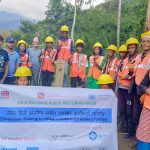
WASH RECOVERY AFTER THE EARTHQUAKE, Jajarkot
Jajarkot District is home to a variety of ethnic groups, including Brahmins, Chhetris, Magars, and Tharus, each contributing to the rich cultural tapestry of the area. It is situated at altitudes ranging from approximately 1,000 to 3,000 meters above sea level and is known for its stunning natural landscapes, traditional agriculture, and reliance on local resources for livelihoods. The community’s...[ read more ]

IMPROVEMENT OF WASH-SERVICES, Madhesh Province
Sustainable Development Goal (SDG) #6 prioritizes Water, Sanitation and Hygiene (WASH) through its targets 6.1 and 6.2: visualizing universal, sustainable, and equitable access to safe drinking water, sanitation and hygiene by 2030. SDG #3.8 pictures universal health access to safe, quality and affordable essential WASH services in healthcare facilities. Additionally, SDG #4.a.1 encourages WASH in the school sector through the...[ read more ]

CLIMATE-RESILIENT WASH, Karnali Province
The districts in the North-West of Nepal are some of the least developed in the country. Poor road conditions and inadequate infrastructure hinder the delivery of vital services and humanitarian aid. Additionally, the region is prone to climate-related disasters that disrupt livelihoods and essential services further. On November 3, 2023, an earthquake of the magnitude of 6.4 struck Karnali Province...[ read more ]

WASH IN SCHOOLS, Madhesh Province
The target of this project were 22 schools of Madhesh Province: eight schools from Baragadhi Rural Municipality, four schools from Jeetpursimara Sub-Metropolitan City (both in District Bara), five schools from Chandrapur and five from Yamunamai Rural Municipality (in District Rautahat). Out of the 22 schools, nine are secondary and 13 basic level schools. During a baseline survey of the schools,...[ read more ]

Chharka Bhot, Dolpa DRINKING WATER SUPPLY
Chharka Bhot is an isolated village in the northeastern part of the Dolpo region in Nepal, on the border with Tibet. It is located at 4,300 m, surrounded by a barren landscape. The population lives as semi-nomads and cultivates the fields around the village. Thanks in part to the support of Chay Ya Switzerland, Shree Chharka Bhot Basic School, a...[ read more ]
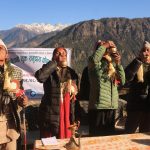
ASSISTANCE FOR DISABILITY-INCLUSIVE WASH IN SCHOOLS
The School Sector Development Plan (SSDP) 2016-2023 highlighted that the lack of disability-friendly WASH facilities is one of the major barriers for children with disabilities to enroll and remain in school. Likewise, the Model School Development and Implementation Directory 2074 of Nepal includes WASH as a key indicator for inclusive schools. School WASH facilities should be child, gender and environment...[ read more ]

Humla, Mugu & Dolpa TOTAL SANITATION PROMOTION
Humla, Mugu and Dolpa are the northern-most and therefore also most remote districts of Karnali province. The federal structure includes four palikas in Mugu, eight palikas in Dolpa and seven in Humla. All districts of Karnali Province have already declared themselves as ODF (Open Defecation Free) zones, while in a few palikas a full sanitation promotion has been initiated on...[ read more ]
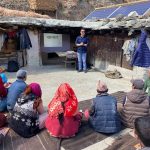
Humla & Dolpa DEVELOPMENT OF A WASH-PLAN
In order to fulfil the obligations enshrined in Nepal’s new constitution to guarantee citizens’ access to clean water and sanitation, and to meet the SDGs (Sustainable Development Goals) and the Sectoral Development Plan, a systematic, long-term plan is required in every Palika. The implementation of WASH services to meet the WASH goals can be based on a WASH plan that...[ read more ]
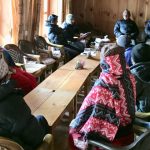
Municipal Development Plan, Kharpunath Humla
Development plans are a very important prerequisite for all higher and lower local governments in Nepal. The local government must develop comprehensive and integrated development plans and profiles. These are a basic instrument for the implementation of decentralized development programs and services by state and non-state actors at the local level. Chay Ya Nepal worked with the rural community of...[ read more ]

Hygiene Training
Many of the diseases that occur especially in rural Nepal, such as diarrhea, scabies, or skin infections, are due to the very poor hygienic conditions. Chay Ya has therefore made it its business to offer hygiene training at the same time as health projects. The most important point here is toilets – mothers and fathers of children with diarrhea are...[ read more ]
WASH RECOVERY AFTER THE EARTHQUAKE, Jajarkot
Jajarkot District is home to a variety of ethnic groups, including Brahmins, Chhetris, Magars, and Tharus, each contributing to the rich cultural tapestry of the area. It is situated at altitudes ranging from approximately 1,000 to 3,000 meters above sea level and is known for its stunning natural landscapes, traditional agriculture, and reliance on local resources for livelihoods. The community’s...[ read more ]
IMPROVEMENT OF WASH-SERVICES, Madhesh Province
Sustainable Development Goal (SDG) #6 prioritizes Water, Sanitation and Hygiene (WASH) through its targets 6.1 and 6.2: visualizing universal, sustainable, and equitable access to safe drinking water, sanitation and hygiene by 2030. SDG #3.8 pictures universal health access to safe, quality and affordable essential WASH services in healthcare facilities. Additionally, SDG #4.a.1 encourages WASH in the school sector through the...[ read more ]
CLIMATE-RESILIENT WASH, Karnali Province
The districts in the North-West of Nepal are some of the least developed in the country. Poor road conditions and inadequate infrastructure hinder the delivery of vital services and humanitarian aid. Additionally, the region is prone to climate-related disasters that disrupt livelihoods and essential services further. On November 3, 2023, an earthquake of the magnitude of 6.4 struck Karnali Province...[ read more ]
WASH IN SCHOOLS, Madhesh Province
The target of this project were 22 schools of Madhesh Province: eight schools from Baragadhi Rural Municipality, four schools from Jeetpursimara Sub-Metropolitan City (both in District Bara), five schools from Chandrapur and five from Yamunamai Rural Municipality (in District Rautahat). Out of the 22 schools, nine are secondary and 13 basic level schools. During a baseline survey of the schools,...[ read more ]
Chharka Bhot, Dolpa DRINKING WATER SUPPLY
Chharka Bhot is an isolated village in the northeastern part of the Dolpo region in Nepal, on the border with Tibet. It is located at 4,300 m, surrounded by a barren landscape. The population lives as semi-nomads and cultivates the fields around the village. Thanks in part to the support of Chay Ya Switzerland, Shree Chharka Bhot Basic School, a...[ read more ]
ASSISTANCE FOR DISABILITY-INCLUSIVE WASH IN SCHOOLS
The School Sector Development Plan (SSDP) 2016-2023 highlighted that the lack of disability-friendly WASH facilities is one of the major barriers for children with disabilities to enroll and remain in school. Likewise, the Model School Development and Implementation Directory 2074 of Nepal includes WASH as a key indicator for inclusive schools. School WASH facilities should be child, gender and environment...[ read more ]
Humla, Mugu & Dolpa TOTAL SANITATION PROMOTION
Humla, Mugu and Dolpa are the northern-most and therefore also most remote districts of Karnali province. The federal structure includes four palikas in Mugu, eight palikas in Dolpa and seven in Humla. All districts of Karnali Province have already declared themselves as ODF (Open Defecation Free) zones, while in a few palikas a full sanitation promotion has been initiated on...[ read more ]
Humla & Dolpa DEVELOPMENT OF A WASH-PLAN
In order to fulfil the obligations enshrined in Nepal’s new constitution to guarantee citizens’ access to clean water and sanitation, and to meet the SDGs (Sustainable Development Goals) and the Sectoral Development Plan, a systematic, long-term plan is required in every Palika. The implementation of WASH services to meet the WASH goals can be based on a WASH plan that...[ read more ]
Municipal Development Plan, Kharpunath Humla
Development plans are a very important prerequisite for all higher and lower local governments in Nepal. The local government must develop comprehensive and integrated development plans and profiles. These are a basic instrument for the implementation of decentralized development programs and services by state and non-state actors at the local level. Chay Ya Nepal worked with the rural community of...[ read more ]
Hygiene Training
Many of the diseases that occur especially in rural Nepal, such as diarrhea, scabies, or skin infections, are due to the very poor hygienic conditions. Chay Ya has therefore made it its business to offer hygiene training at the same time as health projects. The most important point here is toilets – mothers and fathers of children with diarrhea are...[ read more ]